Albert Heijn Gelderlandplein: The System Works Because of the People
February 6, 2026
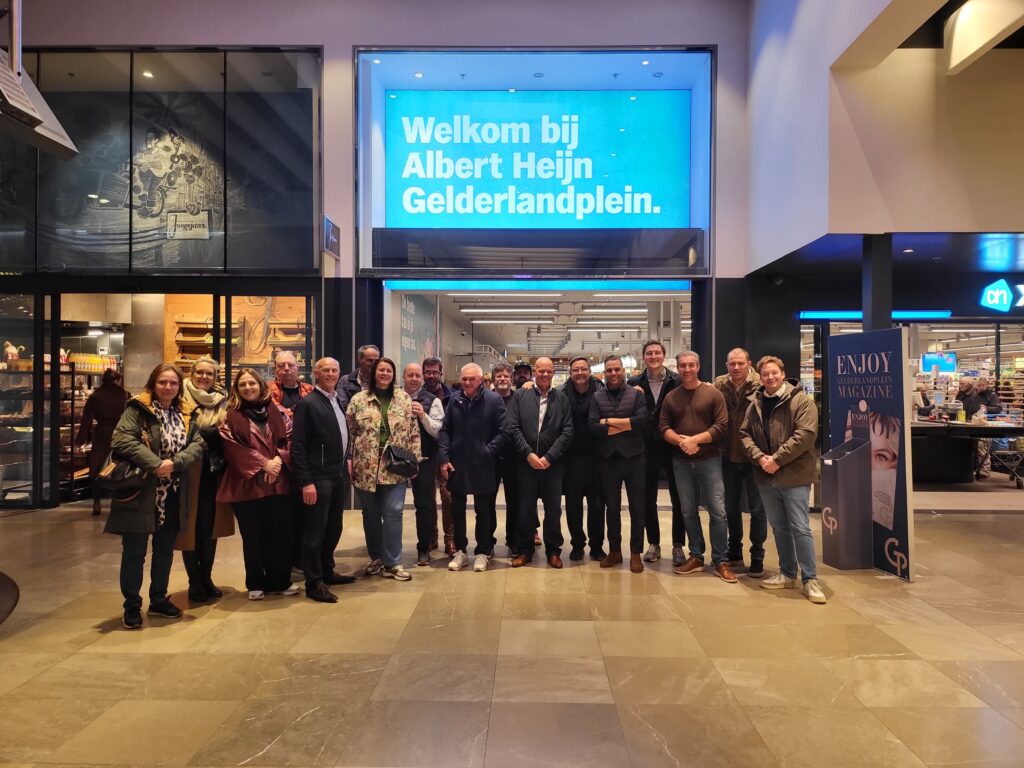
Albert Heijn XL Gelderlandplein: How Scale, Technology, and Local Craft Converge
The Albert Heijn XL at the Gelderlandplein shopping center in Amsterdam demonstrates how a modern supermarket operates as a tightly organized system of logistics, data, assortment management, and customer steering. With annual revenue of approximately 70 million euros and around 400 employees, this location runs at full capacity.
From Everyday Groceries to Personal Care: A Deliberately Structured Assortment
In Amsterdam South, this AH XL never stands still. Every process focuses on availability, speed, and waste reduction. That focus is essential, as the store receives an average of eleven deliveries per day, including overnight shipments. Success here does not stem from a single innovation but from the interaction of scale, smart decision-making, and daily discipline on the shop floor.
Over recent years, Albert Heijn has refined its assortment strategy. The company actively manages segmentation, recognizability, and ease of choice. A clear example is the introduction of CARE, a private-label personal care line positioned as an alternative to brands such as Rituals. The range now includes more than 300 products, from shower gel and shampoo to skincare and condoms. Refill packaging forms a standard component of the offering, supporting both sustainability and price awareness.
Albert Heijn also applies a clear color-coding structure within its private label:
- Green – Organic
Organic products with a focus on origin and sustainability. Through the Albert Heijn app, customers automatically receive a 10% discount. With more than 800 organic products, this assortment exceeds that of specialized organic supermarkets. - Blue – Price Favorites / Private Label
The lowest price segment within the private label portfolio, designed to compete directly with discounters such as Aldi and Lidl. - Orange – Bonus and Price Hits
Temporary promotions and the lowest-priced options, strongly driven by volume and rotation.
Below these segments, sub-brands such as AH Excellent for premium products and Terra, the rapidly expanding plant-based range responding to changing dietary patterns, further refine the structure.
Local Products as a Scalable Revenue Model
A striking strategic choice is the strong emphasis on local products. This category now surpasses the organic segment in size. Under the name Streeckgenoten, Albert Heijn sells products from local suppliers, including butchers and artisanal producers.
Scale creates the advantage. Suppliers do not sell exclusively locally but can scale up through Albert Heijn to approximately 200 stores nationwide. For Albert Heijn, this approach generates a strong local image without incurring the costs of employing in-house specialists such as butchers. The perception of craftsmanship and authenticity delivers tangible results: Streeckgenoten outperforms the organic department in revenue terms.
Technology as the Invisible Engine
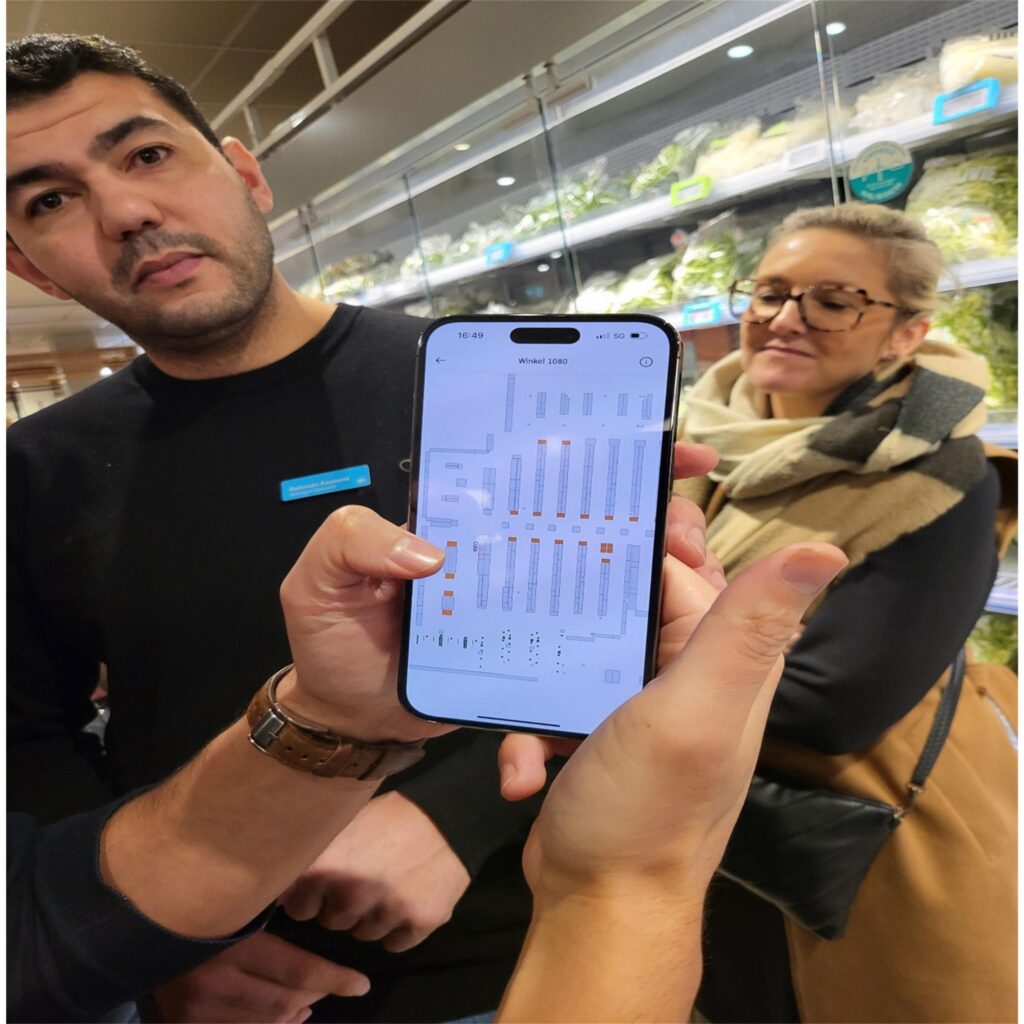
The Albert Heijn app plays a central role in the customer experience. Customers can use self-scanning, check real-time inventory levels, and see which items have been discounted. A new feature allows customers to locate the exact position of a product in-store. This reduces frustration and encourages trial of new products.
The app also enables dynamic markdowns through the “Last Chance Deals” system. Products approaching their expiration date receive progressively higher discounts throughout the day, for example from 40% to 70%. Customers can view these offers live per store. Once an item sells, it disappears immediately from the app, reducing shrinkage to below 1%.
Future developments will incorporate GPS and RFID technology to guide customers directly to products. Staff already access real-time inventory information; customers will follow at a later stage.
Sustainability as a Logistical Decision
Sustainability translates primarily into practical operational adjustments. One concrete example involves replacing plastic trays with plastic bags for chicken products, resulting in 60% less plastic usage. Clear shelf communication—“trusted quality, new packaging”—maintains customer confidence.
More compact packaging also allows more products per truckload. This lowers transport costs and anticipates rising expenses in the coming years.
Store Layout and Retail Media
The store layout follows a strategic logic. Turning right upon entry leads customers toward cooking and higher-spend ingredients. Turning left directs them toward quick meals and snacks. The store applies nudging and cross-selling techniques throughout, such as positioning organic olive oil above spices.
A new Healthy Snack display unit has already rolled out to approximately 500 stores. The retailer also runs a pilot featuring beans within the fresh department as part of the protein transition strategy. This concept performs remarkably well, partly due to social media attention.
Retail media generates an additional revenue stream. Screens and premium in-store placements, such as those in the Bonus street, receive funding from brands. Major players even secure fixed placements for an entire year, gradually transforming the store into a hybrid of supermarket and media platform.
Execution: Karim Triki and the Team as the Foundation
All of this works only if execution meets expectations. That responsibility lies with supermarket manager Karim Triki. He has led AH XL Gelderlandplein for five years, one of the highest-revenue Albert Heijn locations in the Netherlands. In 2023, he received recognition as Best Albert Heijn Supermarket Manager in the Netherlands and as best supermarket manager worldwide within Ahold Delhaize. Yet Triki does not personalize success. His narrative consistently centers on the team. “Without a good team, you cannot run a store.”
24-Hour Control and Calm on the Shop Floor
The store operates seven days a week from 07:00 to 22:00, while a night team handles cleaning, restocking, and maintenance outside opening hours. This approach prevents disruption and ensures customers can shop undisturbed during the day.
The organization is substantial: approximately 400 employees, 30 shift leaders, and three managers responsible for operations, fresh, and service. During opening hours, one manager is always physically present in the store. Leadership remains direct and visible rather than remote or paper-based.
A Store as a Club
Staff shortages do not affect this location. On the contrary, young people actively seek employment here. Triki compares the store to a football club—a place people want to join. This allows for selectivity. Not everyone fits the team culture, and that selectivity is intentional. Those who do fit receive opportunities. Career progression is tangible rather than rhetorical. Triki himself started as a student and worked his way up. He keeps that pathway visible for others. Attention, guidance, and perspective encourage employees to stay and take responsibility.
The team reflects deliberate diversity. Young employees, retirees, and individuals distanced from the labor market work side by side. One employee has managed the shopping carts for twenty years and proudly wears the title “shopping cart manager” on his shirt. Gender roles do not factor into hiring decisions. In fact, more women than men work in the store.
Conclusion
Albert Heijn Gelderlandplein represents a robust system—intelligently designed, technologically driven, and commercially structured. Yet systems succeed only through proper execution. Karim Triki did not design the model; he ensures its daily performance. Through discipline, team culture, and visible leadership on the shop floor, he and his employees provide the foundation for success. That combination makes this store a compelling example of how the modern supermarket operates.
The Buzz is a one-day tour offering behind-the-scenes access to the most leading and innovative supermarket concepts in the Netherlands.